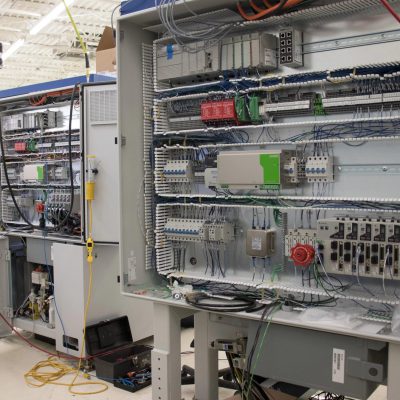


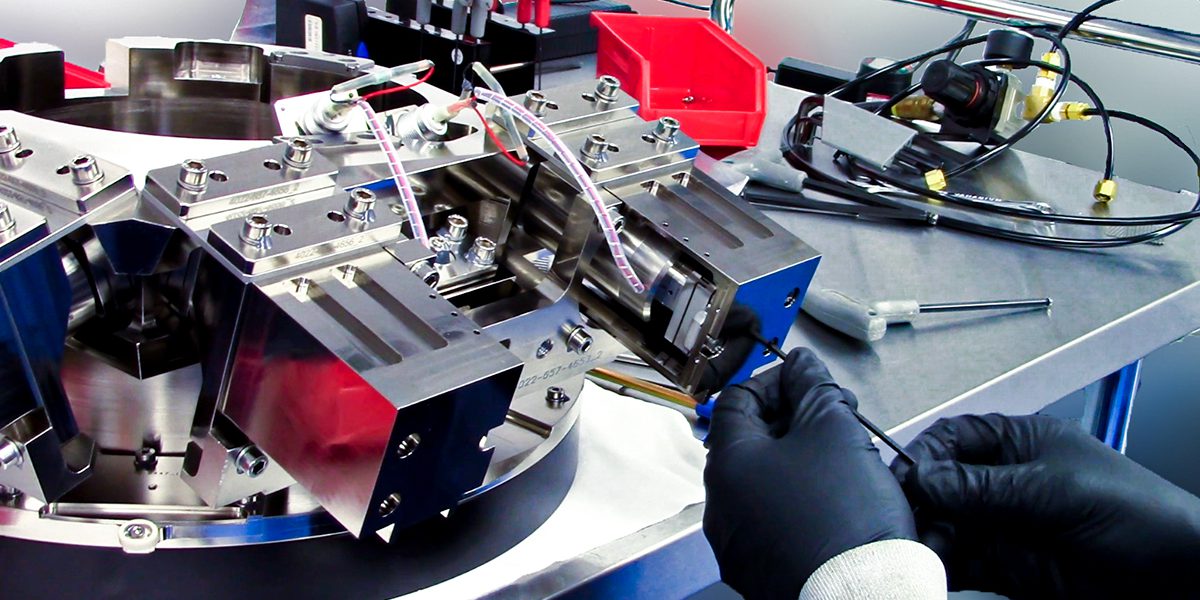
A product can be well-designed and still be frustrating to build. Parts may be difficult to reach, fasteners may be hidden, components may need manual alignment, or the assembly sequence may rely too heavily on operator judgment.
That is where Design for Assembly, often shortened to DFA, becomes useful. DFA helps engineering teams think through how a product will be assembled before the design is released for production. The goal is to make the build clearer, more repeatable, and less dependent on workarounds.
For OEMs building machinery, equipment, fabricated structures, mechanical assemblies, and electromechanical systems, assembly is rarely a simple final step. It is a major part of the production process. Design for assembly helps teams reduce avoidable build complexity while preserving product function, quality, safety, and serviceability.
Design for assembly is an engineering approach focused on making products easier and more consistent to assemble. It looks at how parts are handled, oriented, located, fastened, inspected, tested, and built into the final product.
A good DFA review asks questions such as:
- Can the part be installed easily and correctly?
- Can the assembler reach the fasteners, interfaces, and inspection points?
- Is the build sequence logical?
- Can hardware be reduced or standardized?
- Are fixtures, templates, or locating features needed?
- Can the design prevent incorrect installation?
- Are work instructions clear enough to support repeatable builds?
In other words, DFA is about making the assembly process easier to understand and easier to repeat.